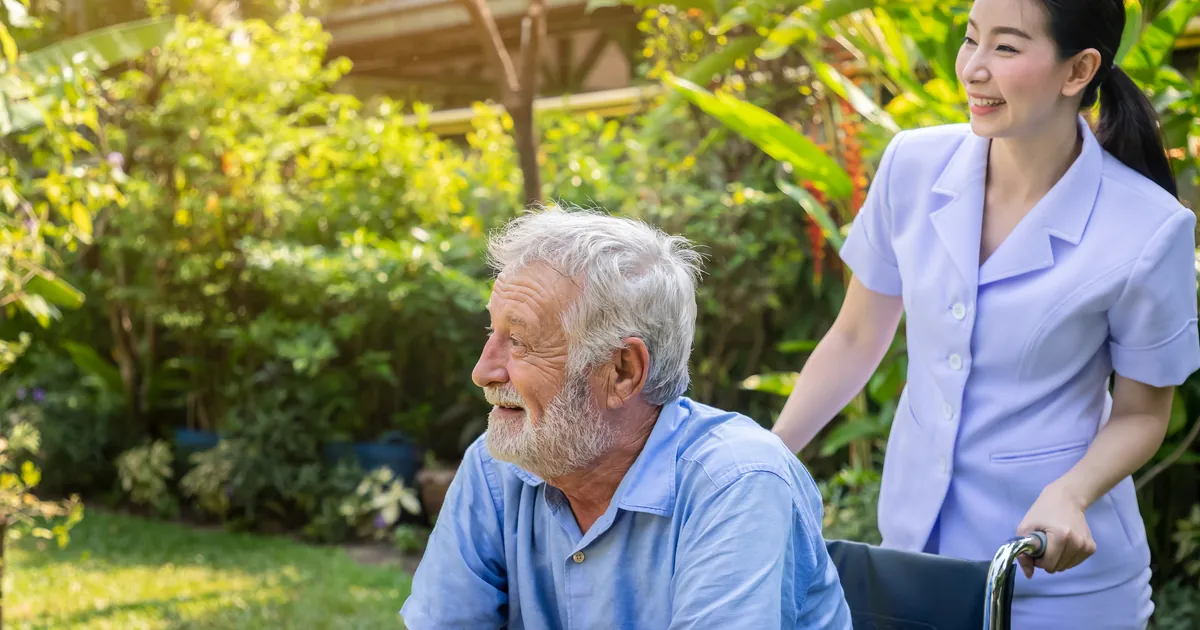
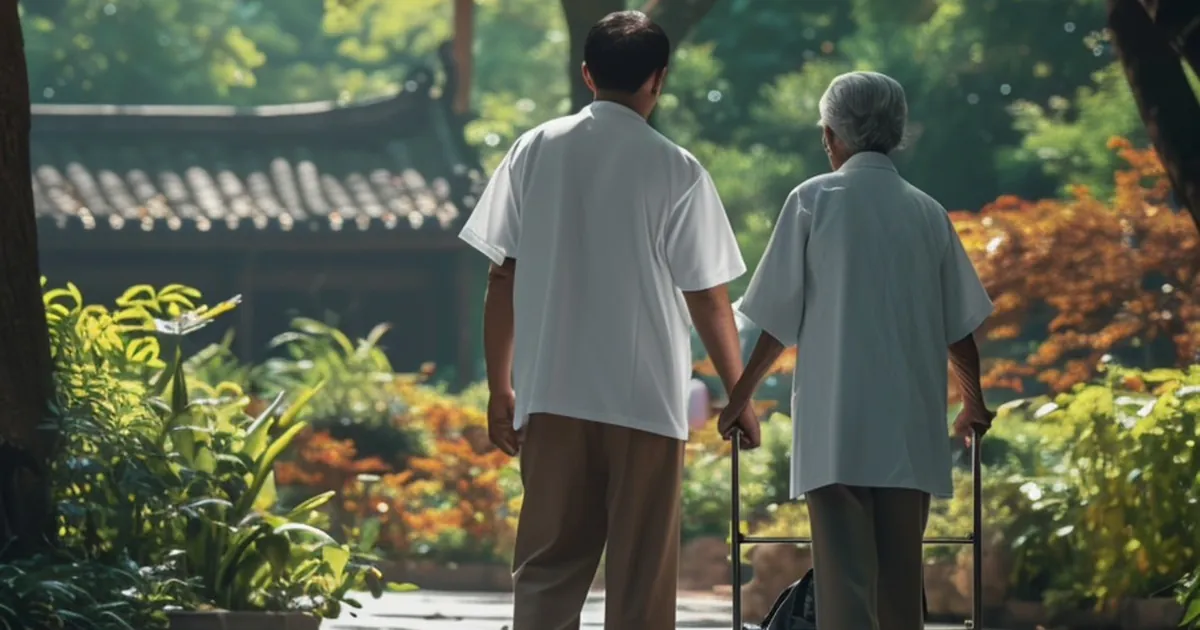
Thailand has become an established destination for elder care. The reasons are practical: skilled nursing staff, modern private hospitals, a warm climate that suits recovery and mobility, and costs well below those in the US, UK, or Australia. For a Thai family, a good residential home means a parent gets round-the-clock care that is hard to provide at home. For an expat family, it can mean care of a standard they could not afford back home.
The words matter: nursing home, care home, elder-care centre
In Thailand you will see several terms, and they don't all mean the same thing:
- Nursing home — residential care with nurses on staff, for people who need daily medical or personal care.
- Elder-care centre — a broad term covering everything from light daily support to full nursing care.
- Retirement home — often used for independent or lightly assisted living, though many Thais use it for nursing homes too.
- Assisted living — help with daily tasks (bathing, dressing, medication) for people who are mostly independent but not fully.
The label on the door tells you less than the care level inside. That's what to focus on.
The three care levels
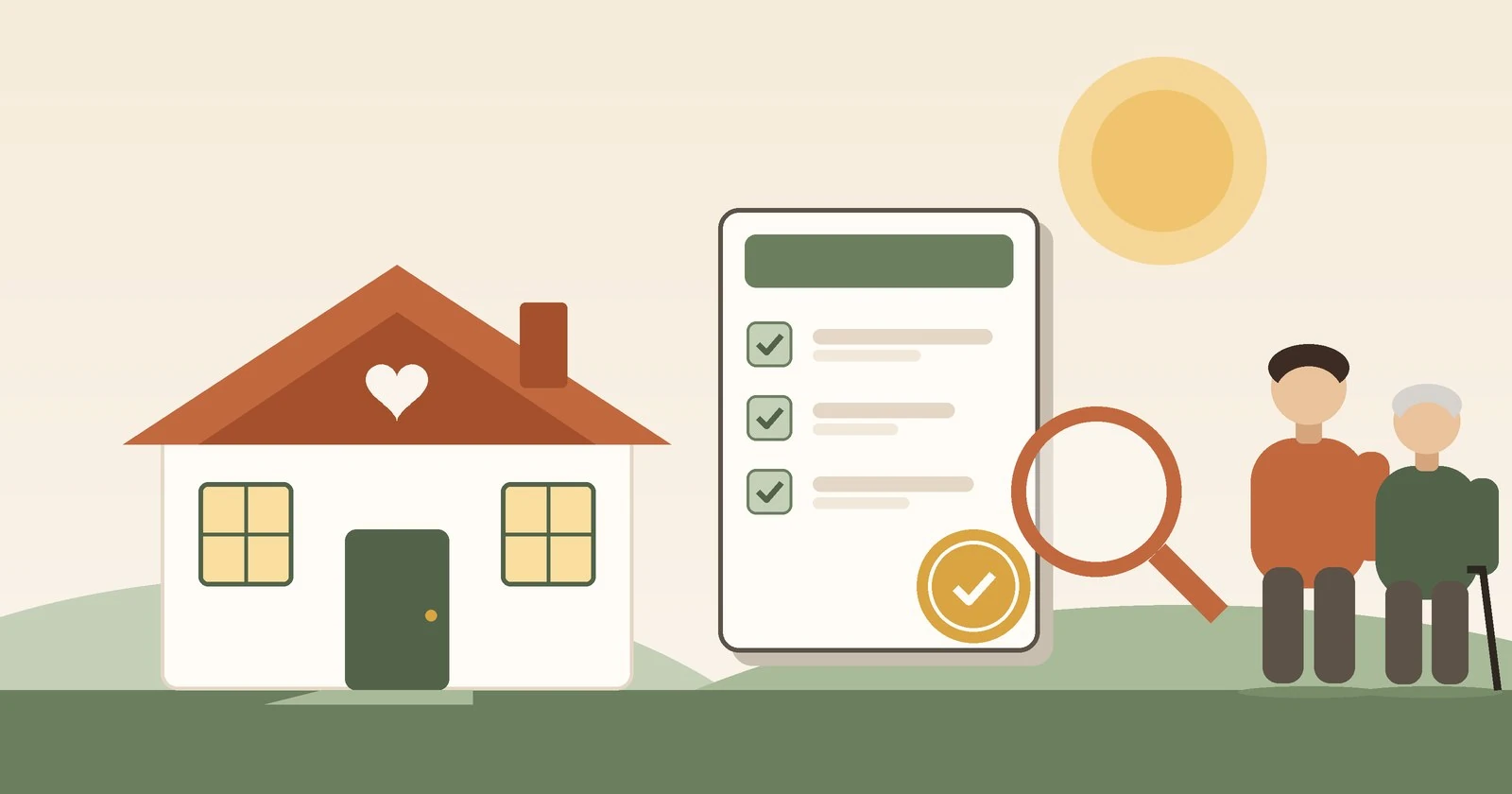
Care needs sit on a scale, and nursing homes in Thailand span all of it. NursingHomesThailand is a placement platform, not a care home, and it uses a three-tier model, built on standard clinical tools (the Katz ADL index of daily-living independence and widely used senior-care levels), to match each family to the right home rather than the nearest one.
Knowing your parent's tier before you visit anywhere changes the whole search. It tells you which homes can actually care for them, and it stops you paying for care they don't need, or worse, placing them somewhere that can't cope.
Types of nursing homes in Thailand
- Standard nursing homes — the majority. Mixed care levels, nurses on staff, caregivers for daily support.
- Memory / dementia care — secured units with trained staff and wander management, for moderate-to-advanced dementia.
- Palliative and end-of-life care — specialised comfort, pain and symptom management for terminal or advanced illness, with 24-hour nursing and close doctor access.
- Stroke rehabilitation — intensive physiotherapy, occupational and speech therapy to rebuild movement, speech and daily function after a stroke (see our recovery and rehabilitation guide).
- Luxury / premium homes — resort-style residences with private rooms, richer staffing ratios, and full therapy teams. Higher cost, more comfort, not necessarily more medical capability.
- Independent & assisted living (retirement home) — for a parent who is still largely self-sufficient and wants community and services rather than nursing.
What a good home looks like
Across every type and price point, the same signals separate a good home from a risky one:
- Licensing. Thai elder-care homes must register as an establishment for the care of older or dependent people with the Department of Health Service Support, under the Ministry of Public Health. A legitimate home holds a current licence and will show it on request. Ask to see it and check it hasn't expired.
- Staffing ratio. As a rough guide, not a fixed rule: roughly one caregiver to five residents, tightening to about one-to-three depending on the case. Thailand sets no single mandated ratio, so ask what the ratio is on a night shift, not just daytime.
- Nursing cover that matches the tier. A Tier 3 resident needs a 24-hour registered nurse. If the home offers only a daytime nurse, it cannot safely take high-dependency cases, whatever the brochure says.
- The right equipment. Electric hospital beds and pressure mattresses for immobile residents, hoists for safe transfers, oxygen and suction where needed, a secured unit for dementia. Equipment on site tells you which care levels a home can really deliver.
- Doctor access. Visiting for stable residents; regular scheduled visits for most nursing-home residents; daily or on-site cover for high-acuity and palliative cases.
- English-speaking support — for expat families, at least one point of contact who communicates clearly in English, and staff who can follow care instructions across the language gap.
What nursing homes in Thailand cost
Costs vary widely by care level and comfort, not just location. As a 2026 guide: standard Thai nursing homes commonly run from the low tens of thousands of baht per month; mid-range and expat-oriented homes sit around ฿37,000–60,000; premium residences with private rooms and 24-hour one-to-one care can reach ฿130,000 a month. For context, comparable care in the US runs around $8,000–9,000 a month. We break the full picture down in our guide to nursing home costs in Thailand: by care level, by what's included, and by the extras that catch families out.
Doing this from abroad
If you're choosing from another country, you can't rely on a website and a phone call. What helps: a shortlist filtered to homes that can actually take your parent's care level, a video walk-through of the real rooms and staff, clear written confirmation of the ratio and nursing cover, and an independent set of eyes on site. That's the gap NursingHomesThailand exists to close: a neutral platform that holds no single home's interest, only the match.